

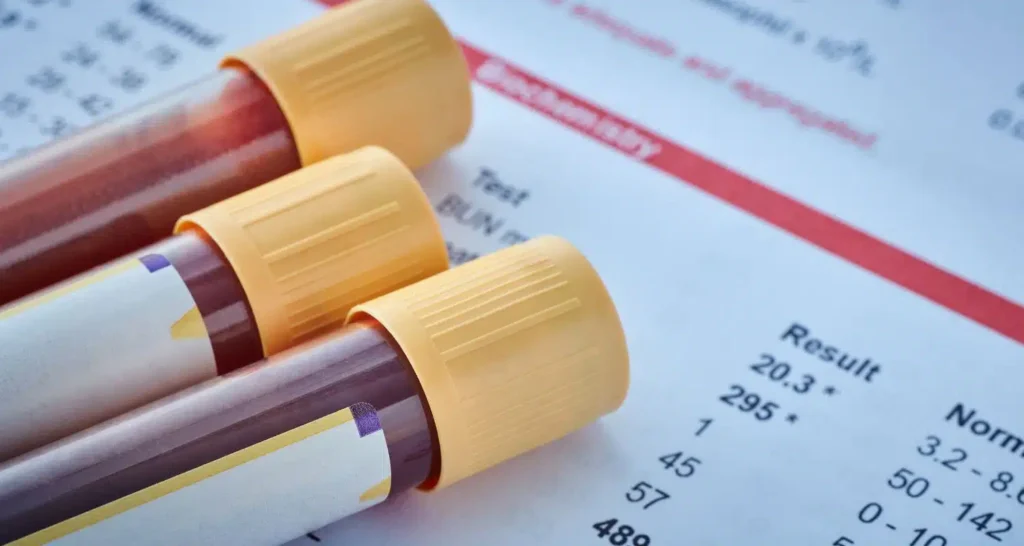
Blood tests are one of the most common and important medical tools used to evaluate overall health. Doctors rely on blood tests to diagnose diseases, monitor existing health conditions, and check how well different organs in the body are functioning. From routine health checkups to detecting serious medical conditions, blood tests play a vital role in preventive healthcare.
At House of Lab Tests, we believe that regular health screening through reliable blood tests can help individuals detect potential health problems early and take timely action. In collaboration with our trusted partner Prognosis Lab, we ensure accurate results, professional sample collection, and dependable diagnostic services.
In this blog, we will explore what blood tests are, why they are important, the most common types of blood tests, and how they help maintain better health.
What Are Blood Tests?
laboratory analyses performed on a small sample of blood collected from a vein, usually in the arm. The sample is examined in a diagnostic laboratory to measure different components present in the blood.
These components include:
- Red blood cells
- White blood cells
- Platelets
- Hormones
- Enzymes
- Proteins
- Minerals and nutrients
By analyzing these elements, blood tests provide valuable insights into the functioning of organs such as the liver, kidneys, heart, and immune system.
Healthcare professionals often recommend blood tests during routine health checkups or when a patient experiences symptoms that need further investigation.
Why Blood Tests Are Important
Regular blood tests are essential for maintaining good health. They help doctors detect health conditions early and monitor ongoing treatments.
Some key reasons why blood tests are important include:
- Early Disease Detection
Blood tests can detect many diseases in their early stages, including diabetes, anemia, infections, and thyroid disorders. Early detection allows doctors to start treatment sooner and prevent complications.
- Monitoring Chronic Conditions
Patients with chronic diseases such as diabetes, cholesterol issues, or kidney disorders require regular blood tests to track their health status and adjust treatment plans accordingly.
- Preventive Health Checkups
Routine blood tests are an important part of preventive healthcare. Even if you feel healthy, regular testing helps identify hidden health issues before symptoms appear.
- Evaluating Organ Function
Blood tests can determine how well organs like the liver, kidneys, and heart are functioning. This helps doctors identify potential organ damage or disease.
At House of Lab Tests, our advanced blood tests conducted in partnership with Prognosis Lab help ensure reliable and accurate diagnostic results.
Common Types of Blood Tests
There are many types of blood tests used for different medical purposes. Some of the most commonly recommended blood tests include:
Complete Blood Count (CBC)
A Complete Blood Count is one of the most frequently performed blood tests. It measures red blood cells, white blood cells, hemoglobin, and platelets.
This test helps detect conditions such as anemia, infections, and certain blood disorders.
Blood Sugar Test
Blood tests for glucose levels help diagnose and monitor diabetes. These tests measure the amount of sugar present in the blood.
Common glucose-related blood tests include:
- Fasting Blood Sugar Test
- Postprandial Blood Sugar Test
- HbA1c Test
Lipid Profile Test
A lipid profile is a group of blood tests that measure cholesterol levels and fats in the blood. These tests help assess the risk of heart disease.
The lipid profile typically includes:
- Total cholesterol
- LDL cholesterol
- HDL cholesterol
- Triglycerides
Liver Function Test (LFT)
Liver Function blood tests measure enzymes and proteins related to liver health. They help diagnose liver diseases, infections, or damage.
Kidney Function Test (KFT)
Kidney Function blood tests evaluate how well the kidneys are filtering waste from the blood. These tests measure creatinine, urea, and electrolyte levels.
At House of Lab Tests, patients can easily book these blood tests with the assurance that samples are analyzed with precision through Prognosis Lab, our trusted diagnostic partner.
When Should You Get Blood Tests?
Doctors may recommend blood tests in the following situations:
During routine health checkups
When experiencing unexplained symptoms
Before surgery
During pregnancy
For monitoring chronic diseases
As part of preventive healthcare programs
Health experts often recommend getting basic blood tests at least once a year for adults to maintain optimal health.
Conclusion
Blood tests are an essential part of modern healthcare. They help detect diseases early, monitor medical conditions, and evaluate the overall health of the body. By providing valuable insights into organ function, nutrient levels, and potential health risks, blood tests allow doctors to make informed decisions about diagnosis and treatment.
At House of Lab Tests, we are committed to providing reliable and convenient blood tests for individuals and families. With the support of our trusted diagnostic partner Prognosis Lab, we ensure accurate laboratory analysis and timely reports.
Regular blood tests can make a significant difference in maintaining long-term health. Scheduling routine testing today can help you take proactive steps toward a healthier future.