
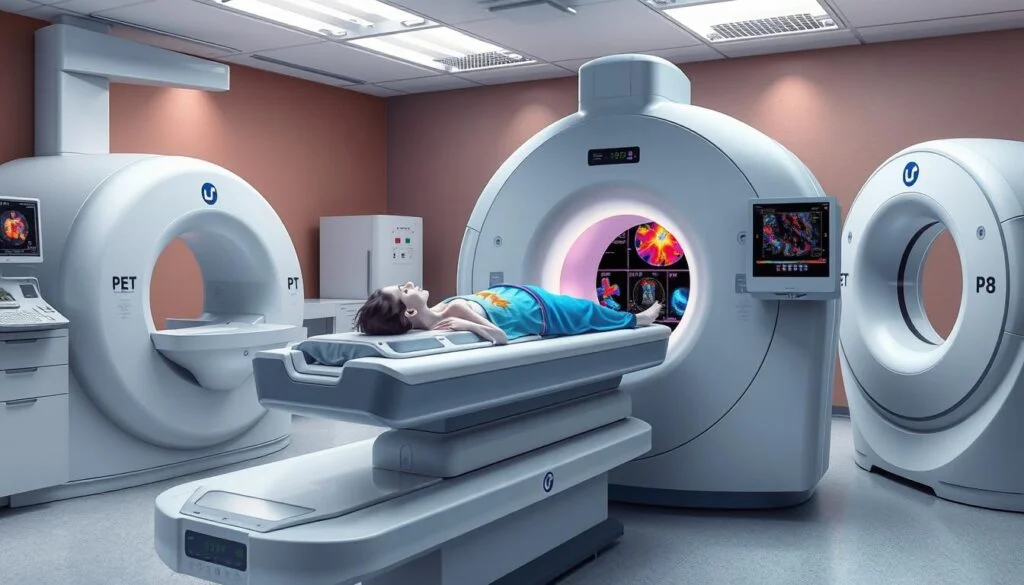
What is a PET Scan?
A PET scan uses a small amount of radioactive tracer injected into the body. This tracer travels through the bloodstream and accumulates in organs and tissues. A specialized scanner detects this tracer and produces detailed images showing how tissues and organs are functioning.
Because diseased cells often have higher metabolic activity, PET scans are particularly useful in detecting tumors and abnormal tissue growth.
Why is a PET Scan Done?
Doctors may recommend a PET scan to diagnose or monitor several health conditions, including:
• Detection and staging of cancer
• Monitoring cancer treatment effectiveness
• Detecting heart disease and blood flow problems
• Diagnosing neurological disorders such as Alzheimer’s disease
• Identifying abnormal tissue activity
• Detecting infections or inflammation
Types of PET Scans
Different types of PET imaging are used depending on the medical condition being evaluated.
PET-CT Scan
Combines PET imaging with CT scanning to provide detailed images of both structure and function.
Brain PET Scan
Used to detect neurological conditions such as Alzheimer’s disease, epilepsy, and brain tumors.
Cardiac PET Scan
Evaluates blood flow to the heart and helps diagnose coronary artery disease.
Oncology PET Scan
Used in cancer diagnosis, staging, and treatment monitoring.
Benefits of PET Scan
 Detects diseases at an early stage Provides detailed images of organ function Helps identify cancer spread in the body Assists doctors in planning treatment Monitors treatment effectiveness Helps detect abnormalities that other scans may miss
How the PET Scan Procedure Works
Step 1 – Tracer Injection
A small amount of radioactive tracer is injected into a vein.
Step 2 – Waiting Period
The tracer circulates through the body for about 30–60 minutes.
Step 3 – Scanning Process
The patient lies on a scanning table that moves through the PET scanner while images are taken.
Step 4 – Image Analysis
Specialized computers analyze the data to produce detailed images for doctors to review.
The entire process usually takes 1–2 hours.
Preparation for a PET Scan
Before the scan, follow these precautions:
• Fast for at least 6 hours before the scan (unless instructed otherwise)
• Drink water to stay hydrated
• Avoid heavy exercise before the scan
• Inform the doctor about medications
• Inform the technician if you are pregnant or breastfeeding
Is PET Scan Safe?
PET scans are generally safe. The radioactive tracer used is very small and usually leaves the body within 24 hours through urine. The benefits of accurate diagnosis usually outweigh the minimal risks.
Why Choose House of Lab Test?
Advanced diagnostic imaging services Experienced radiology specialists Accurate and reliable reports Affordable diagnostic testing Patient-friendly procedures Quick and secure report delivery
houseoflabtest.in| prlworld.com