
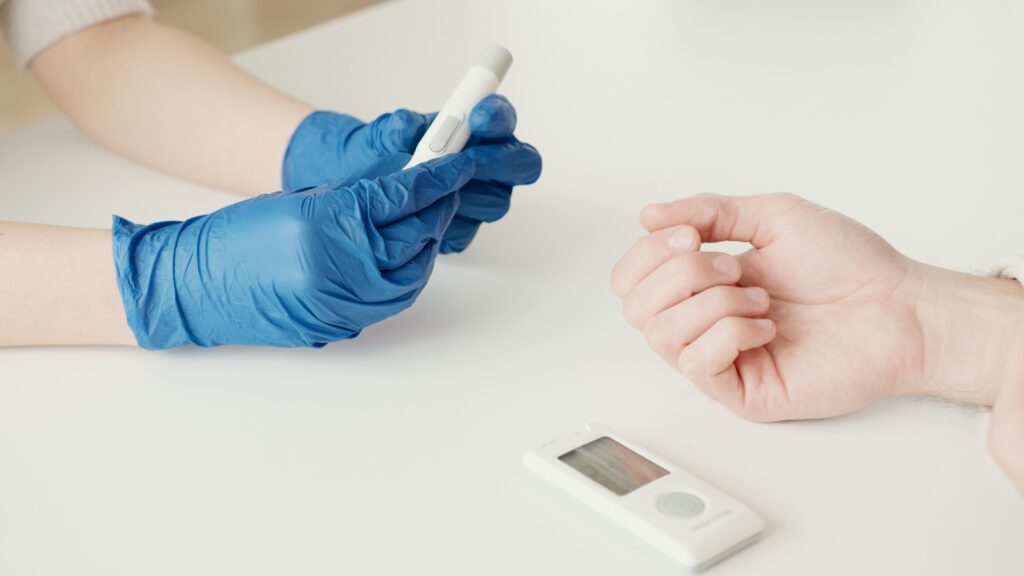
diabetes
A Diabetes Test is a blood test used to measure glucose (sugar) levels in the blood. It helps diagnose and monitor Diabetes Mellitus, a condition where the body cannot properly regulate blood sugar levels.
These tests help detect diabetes early and monitor treatment.
Tests Included in Diabetes Testing
Common tests used to diagnose diabetes include:
- Fasting Blood Sugar (FBS)
- Postprandial Blood Sugar (PPBS) – after meals
- Random Blood Sugar (RBS)
- HbA1c (Glycated Hemoglobin)
Oral Glucose Tolerance Test (OGTT)
Procedure (How We Conduct Test in Lab)
Step 1: Patient Preparation
- For Fasting Blood Sugar, patient should fast for 8–12 hours.
- Record patient details (name, age, gender, ID).
- Confirm fasting status before sample collection.
Step 2: Sample Collection
- Wear gloves and follow aseptic technique.
- Clean the venipuncture site with antiseptic.
- Collect 2–3 ml venous blood using a sterile syringe or vacutainer.
- Transfer blood into a fluoride tube (grey top) to prevent glucose breakdown.
Step 3: Sample Processing
- Mix the sample gently.
- Centrifuge if serum or plasma is required.
- Separate plasma for analysis.
Step 4: Laboratory Analysis
- Blood glucose is measured using:
- Biochemistry analyzer
- Glucose oxidase method
- Automated analyzer
Step 5: Record and Report
- Compare results with reference ranges.
- Report results to the physician.
Precautions in Test
- Ensure proper fasting for fasting glucose test.
- Use fluoride tube to prevent glucose degradation.
- Avoid hemolysis during blood collection.
- Label samples correctly.
- Follow laboratory safety guidelines.
Benefits / Importance of Diabetes Test
- Early detection of Diabetes Mellitus.
- Helps monitor blood sugar levels in diabetic patients.
- Prevents complications such as:
- Diabetic Neuropathy
- Diabetic Nephropathy
- Helps doctors plan treatment and diet.
houseoflabtest.in | prlworld.com
Understanding Diabetes
Diabetes is a metabolic disorder that affects how the body processes glucose (sugar). In people with diabetes, the body cannot properly regulate blood sugar levels. Glucose is an important source of energy for the body, but excessive levels in the bloodstream caused by diabetes can damage tissues and organs.
Type 1 Diabetes
Type 1 diabetes occurs when the immune system attacks insulin-producing cells in the pancreas. This form of diabetes is usually diagnosed in children or young adults and requires lifelong insulin management.
Type 2 Diabetes
Type 2 diabetes is the most common form of diabetes. It occurs when the body becomes resistant to insulin or does not produce enough insulin to maintain healthy blood sugar levels.
Gestational Diabetes
Gestational diabetes develops during pregnancy and usually disappears after childbirth. However, women who develop gestational diabetes have a higher risk of developing type 2 diabetes later in life.
Critical Symptoms of Diabetes
Recognizing the symptoms of diabetes early is crucial for effective treatment and management. Many symptoms of diabetes may develop gradually, while others can appear suddenly.
Frequent Urination
One of the earliest signs of diabetes is frequent urination, especially at night. High blood sugar levels caused by diabetes force the kidneys to work harder to remove excess glucose from the bloodstream.
Excessive Thirst
Frequent urination caused by diabetes often leads to dehydration, making individuals feel constantly thirsty.
Unexplained Weight Loss
Sudden weight loss without changes in diet or exercise may indicate diabetes. When the body cannot use glucose properly due to diabetes, it begins to break down fat and muscle for energy.
Increased Hunger
People with diabetes may feel hungry more often because the body’s cells cannot properly absorb glucose.
Fatigue and Weakness
Persistent fatigue is a common symptom of diabetes. High blood sugar levels interfere with the body’s ability to use energy efficiently.
Blurred Vision
High blood sugar levels caused by diabetes can affect the eyes by altering the shape of the lens, leading to blurred vision.
Slow Healing of Wounds
Cuts, bruises, and infections may take longer to heal in individuals with diabetes due to poor circulation and a weakened immune response.
Frequent Infections
Diabetes can weaken the immune system, making individuals more susceptible to infections such as skin infections, urinary tract infections, and gum disease.
Symptoms That Require Immediate Medical Attention
In some cases, diabetes symptoms may become severe and require urgent medical care.
- Severe dehydration
- Persistent vomiting
- Difficulty breathing
- Confusion or dizziness
- Extremely high blood sugar levels
These symptoms may indicate serious diabetes complications such as diabetic ketoacidosis (DKA).
Risk Factors for Diabetes
Several factors increase the likelihood of developing diabetes.
- Family history of diabetes
- Obesity or excess body weight
- Sedentary lifestyle
- Poor diet high in sugar and processed foods
- High blood pressure
- High cholesterol levels
People with these risk factors should monitor their blood sugar regularly to prevent diabetes.
Diagnostic Tests for Diabetes
Doctors use several tests to detect diabetes and monitor blood sugar levels.
Fasting Blood Sugar Test
This test measures blood glucose levels after fasting for at least eight hours and helps diagnose diabetes.
HbA1c Test
The HbA1c test measures average blood sugar levels over the past two to three months and is widely used to diagnose diabetes.
Random Blood Sugar Test
This test measures blood glucose levels at any time of the day regardless of when you last ate and can help detect diabetes.
Oral Glucose Tolerance Test
This test evaluates how the body processes sugar and is commonly used to diagnose gestational diabetes.
Importance of Early Diagnosis
Early detection of diabetes plays a vital role in preventing complications associated with uncontrolled diabetes.
Lifestyle Changes to Manage Diabetes
Managing diabetes requires a combination of medical treatment and healthy lifestyle adjustments.
- Maintain a healthy diet
- Exercise regularly
- Monitor blood sugar
- Manage stress
These habits help individuals control diabetes and maintain better health.
Preventing Diabetes Complications
Uncontrolled diabetes can lead to serious health problems including heart disease, kidney failure, nerve damage, vision loss, and foot complications.
The Role of Preventive Healthcare
Preventive healthcare focuses on detecting diabetes early before it becomes severe. Regular health screenings help individuals manage diabetes more effectively.
Conclusion
Diabetes is a serious health condition that requires careful monitoring and management. Recognizing the symptoms of diabetes early and seeking medical attention promptly can help prevent complications and improve quality of life.
Regular health checkups, blood sugar testing, and healthy lifestyle choices are essential for managing diabetes and maintaining long-term health.