
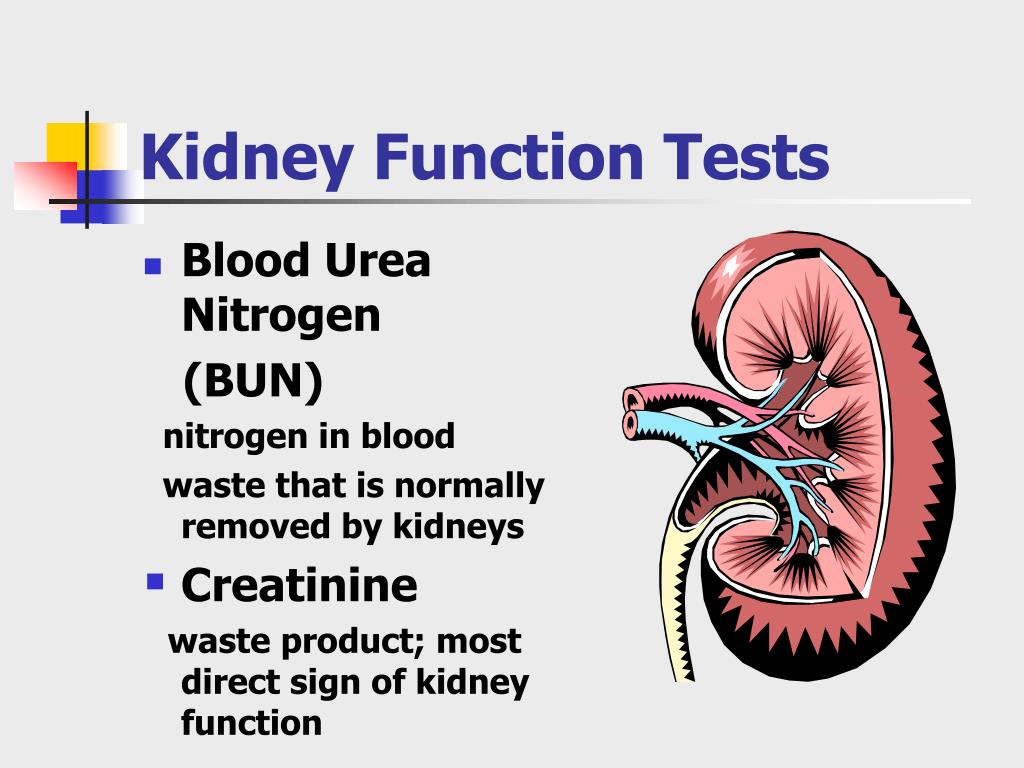
What is a Kidney Function Test?
A Kidney Function Test measures different substances in the blood and urine to determine how effectively the kidneys are removing waste from the body. These tests help doctors diagnose kidney diseases, monitor kidney health, and evaluate the effectiveness of treatment.
Regular kidney testing is especially important for people with diabetes, high blood pressure, or a family history of kidney disease.
Tests Included in Kidney Function Test
Serum Creatinine
Creatinine is a waste product produced by muscles. High levels in the blood may indicate impaired kidney function.
Blood Urea Nitrogen (BUN)
This test measures the amount of urea nitrogen in the blood, which helps evaluate kidney filtration efficiency.
Uric Acid
High uric acid levels may indicate kidney problems or conditions like gout.
Electrolytes (Sodium, Potassium, Chloride)
These minerals help maintain fluid balance and nerve function, and abnormal levels may suggest kidney dysfunction.
Estimated Glomerular Filtration Rate (eGFR)
eGFR estimates how well the kidneys filter blood and helps determine the stage of kidney disease.
Urine Routine Examination
A urine test helps detect proteins, infections, or abnormalities indicating kidney issues.
Symptoms of Kidney Problems
You may need a kidney function test if you experience:
• Swelling in hands, feet, or face
• Fatigue and weakness
• Changes in urination frequency
• Foamy or dark urine
• High blood pressure
• Loss of appetite
• Nausea or vomiting
Early diagnosis helps prevent serious kidney complications.
Benefits of Kidney Function Testing
 Detects kidney problems at an early stage Monitors kidney health in chronic conditions Helps doctors plan proper treatment Prevents kidney failure through early intervention Evaluates the effectiveness of medications
How the Test is Conducted
Step 1 – Sample Collection
A blood sample and sometimes a urine sample are collected by trained technicians.
Step 2 – Laboratory Analysis
Samples are analyzed using advanced diagnostic equipment.
Step 3 – Quality Verification
Results undergo strict quality checks for accuracy.
Step 4 – Report Delivery
Detailed reports are delivered digitally via email or WhatsApp.
Precautions Before the Test
• Fasting may be required for certain tests
• Drink adequate water before sample collection
• Inform the lab about medications you are taking
• Follow doctor’s instructions before testing
Why Choose House of Lab Test? Houseoflabtest.In
Accurate kidney function testing Certified diagnostic laboratory Experienced healthcare professionals Affordable testing packages Convenient home sample collection Fast and reliable report delivery