
Medical imaging has revolutionized the way doctors diagnose and treat diseases. Among the most advanced diagnostic tools available today is the MRI scan, which provides detailed images of organs, tissues, and structures inside the body. Unlike many imaging techniques that rely on radiation, this method uses powerful magnets and radio waves to produce clear images, helping healthcare professionals detect various medical conditions accurately.
With increasing awareness about preventive healthcare, more patients are undergoing imaging tests to detect health problems early. Diagnostic centers such as House of Lab Test and Prognosis Laboratories offer advanced imaging services to help doctors diagnose complex conditions quickly and accurately.
This comprehensive guide explains everything you need to know about an MRI scan, including its purpose, procedure, preparation, benefits, and potential risks.
What Is an MRI Scan?
An MRI scan (Magnetic Resonance Imaging) is a non-invasive medical imaging technique used to produce detailed pictures of internal organs and tissues. The technology relies on strong magnetic fields and radio waves to generate high-resolution images that help doctors examine the body’s internal structures.
An MRI scan is particularly useful for evaluating soft tissues such as the brain, muscles, ligaments, spinal cord, and internal organs. Unlike X-rays or CT scans, this diagnostic method does not use ionizing radiation, making it a safer option for many patients.
Doctors commonly recommend an MRI scan to investigate symptoms such as persistent headaches, joint pain, neurological issues, or unexplained abnormalities detected during other medical tests.
How Does an MRI Scan Work?
The working principle behind an MRI scan is based on magnetic fields and radio frequency signals. The scanner contains a powerful magnet that aligns hydrogen atoms in the body. When radio waves are applied, these atoms produce signals that are captured by the scanner.
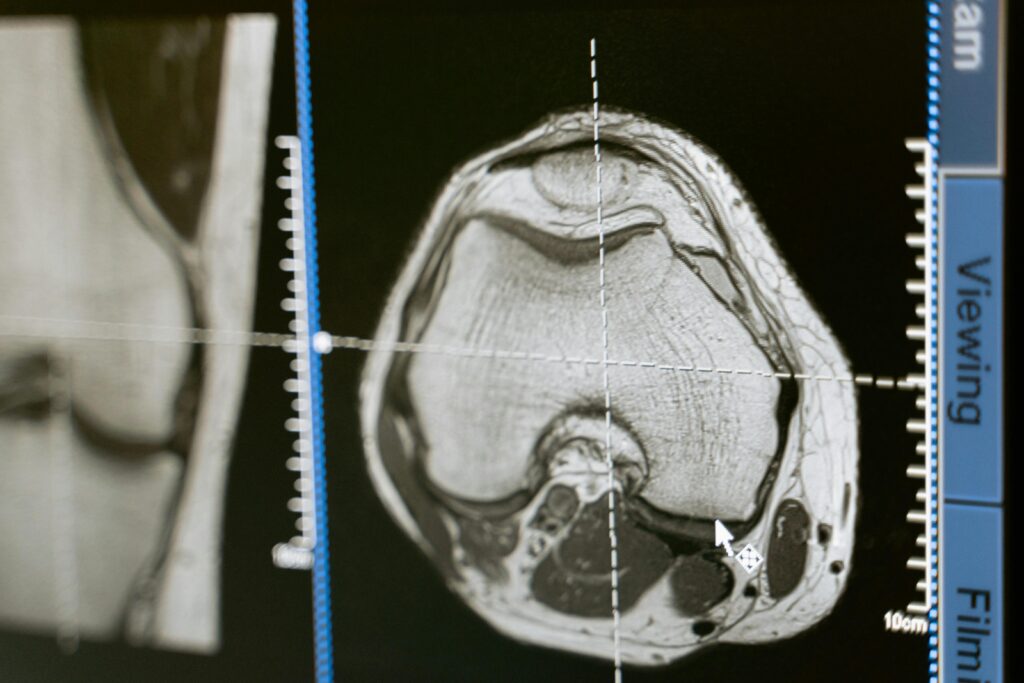
These signals are then processed by a computer to create highly detailed images of the body’s internal structures. Because an MRI scan can detect subtle differences in tissues, it is extremely valuable for diagnosing conditions that may not be visible through other imaging methods.
Advanced diagnostic facilities such as House of Lab Test and Prognosis Laboratories use modern imaging equipment to ensure accurate results and reliable diagnosis for patients.
Common Uses of an MRI Scan
Doctors recommend an MRI scan for a wide range of medical conditions. The technology is especially useful for evaluating soft tissues, which are often difficult to assess with other imaging techniques.
Brain and Neurological Disorders
An MRI scan is frequently used to examine the brain and nervous system. It helps detect conditions such as tumors, strokes, multiple sclerosis, and brain injuries.
Spinal Cord and Back Problems
Patients experiencing severe back pain or nerve compression may require an MRI scan to evaluate spinal discs, nerves, and surrounding tissues.
Joint and Musculoskeletal Injuries
Orthopedic specialists often recommend an MRI scan to diagnose ligament tears, muscle injuries, cartilage damage, or joint abnormalities.
Heart and Blood Vessel Conditions
Cardiac specialists may use an MRI scan to examine the structure and function of the heart and blood vessels.
Internal Organ Evaluation
An MRI scan can also assess organs such as the liver, kidneys, pancreas, uterus, and prostate, helping doctors identify abnormalities or tumors.
Because of its versatility and accuracy, the MRI scan has become an essential tool in modern diagnostic medicine.
Types of MRI Scans
There are several types of MRI scan procedures depending on the area of the body being examined.
Brain MRI
This type of MRI scan focuses on the brain and is commonly used to diagnose neurological disorders.
Spine MRI
A spine MRI scan helps detect issues such as herniated discs, spinal tumors, or nerve compression.
Musculoskeletal MRI
This MRI scan evaluates joints, muscles, ligaments, and bones to identify injuries or degenerative conditions.
Abdominal MRI
Doctors use this MRI scan to examine internal organs like the liver, pancreas, and kidneys.
Contrast MRI
In some cases, a contrast dye is injected before the MRI scan to enhance image clarity and highlight specific structures.
Diagnostic centers like House of Lab Test and Prognosis Laboratories provide various types of imaging services to support accurate medical evaluation.
Preparation for an MRI Scan
Preparing for an MRI scan is usually simple and straightforward. However, patients should follow certain guidelines to ensure accurate imaging results.
Inform the Doctor About Medical Conditions
Before undergoing an MRI scan, patients should inform their doctor about any existing medical conditions, allergies, or implanted medical devices.
Avoid Metal Objects
Because an MRI scan uses strong magnetic fields, patients must remove metal items such as jewelry, watches, and hairpins before the procedure.
Clothing Guidelines
Many facilities provide a hospital gown for patients undergoing an MRI scan to prevent interference from metal components in clothing.
Fasting Instructions
In some cases, especially when contrast dye is used, patients may be asked to avoid eating or drinking for a few hours before the MRI scan.
Diagnostic centers such as House of Lab Test and Prognosis Laboratories provide clear instructions to ensure patients are properly prepared for the imaging procedure.
What Happens During an MRI Scan?
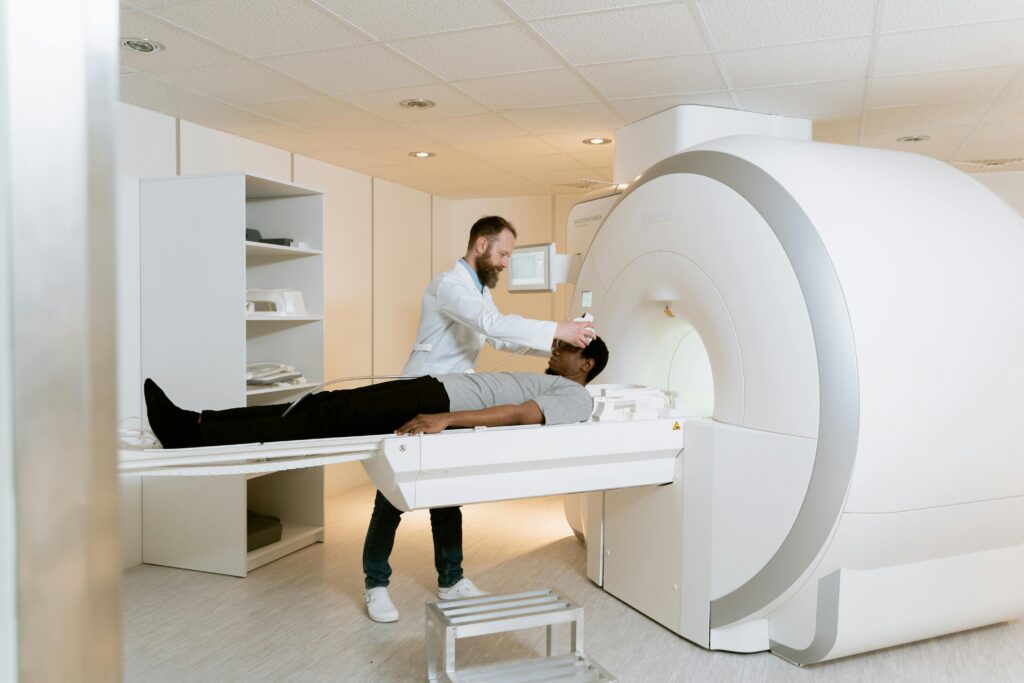
During an MRI scan, the patient lies on a movable table that slides into a cylindrical scanner. The scanner creates a magnetic field and radio waves that generate images of the body.
The procedure typically lasts between 20 and 60 minutes depending on the area being examined. It is important for patients to remain still during the MRI scan to ensure clear images.
While the machine produces loud tapping or knocking sounds, patients are usually provided with earplugs or headphones to reduce discomfort.
Technicians monitor the MRI scan process from another room and communicate with the patient through an intercom system.
Benefits of an MRI Scan
There are several advantages of undergoing an MRI scan compared to other imaging techniques.
Highly Detailed Images
An MRI scan provides extremely detailed images of soft tissues, which helps doctors identify abnormalities with high accuracy.
Non-Invasive Procedure
The MRI scan does not involve surgical procedures, making it safe and comfortable for patients.
No Radiation Exposure
Unlike X-rays or CT scans, an MRI scan does not use radiation, reducing potential health risks.
Early Disease Detection
An MRI scan helps detect diseases at an early stage, allowing doctors to begin treatment promptly.
Diagnostic services at House of Lab Test and Prognosis Laboratories help patients access advanced imaging technologies for accurate diagnosis and improved healthcare outcomes.
Risks and Safety Considerations
Although an MRI scan is generally safe, there are a few considerations patients should keep in mind.
Metal Implants
Patients with pacemakers, cochlear implants, or certain metal implants may not be suitable candidates for an MRI scan.
Claustrophobia
Some individuals may feel uncomfortable inside the scanner due to its enclosed design. In such cases, open MRI machines or mild sedatives may be used.
Contrast Dye Reactions
In rare cases, patients may experience mild reactions to the contrast dye used during certain MRI scan procedures.
Healthcare professionals carefully evaluate patients before recommending an MRI scan to ensure safety.
When Should You Get an MRI Scan?
Doctors may recommend an MRI scan if a patient experiences symptoms such as:
- Persistent headaches
- Chronic back pain
- Joint injuries
- Neurological symptoms
- Suspected tumors or infections
Early diagnosis through an MRI scan can help doctors determine the most effective treatment plan and prevent complications.
Reliable diagnostic facilities such as House of Lab Test and Prognosis Laboratories provide advanced imaging services that support accurate and timely medical diagnosis.
Conclusion
An MRI scan is one of the most advanced diagnostic tools available in modern medicine. It provides detailed images of internal organs, tissues, and structures without exposing patients to harmful radiation.
From detecting neurological disorders to diagnosing joint injuries and evaluating internal organs, an MRI scan plays a crucial role in healthcare. The procedure is safe, non-invasive, and highly effective for identifying medical conditions at an early stage.
With the support of trusted diagnostic centers such as House of Lab Test and Prognosis Laboratories, patients can access reliable imaging services and receive accurate diagnoses for better health management.
If you are experiencing persistent symptoms or require medical evaluation, consulting a healthcare professional about an MRI scan may help identify underlying conditions and guide appropriate treatment.
house of lab test.in prlworld.com